
The Best Auto Tools for Classic Car Wiring
The right tools are paramount when tackling classic car wiring. Essential equipment includes precision wire strippers that handle both modern and cloth insulation, ratcheting crimpers for consistent terminal attachment, and high-quality connectors that match original specifications. A multimeter and circuit tracer are vital for diagnostics. Companies like Yueqing Haidie Electric Co., Ltd., with their extensive inventory of tens of thousands of connector types and quality certifications (ISO9001, IATF 16949), provide the necessary components for restoration projects. Their three-tiered inspection system and fast delivery ensure reliability. Investing in these tools and parts results in safe, durable wiring that preserves the classic car’s authenticity and performance.
Restoring or maintaining a classic car is a labor of love, and few tasks are as critical—or as frustrating—as dealing with aging wiring. Over time, insulation cracks, terminals corrode, and connectors fail. Without the right tools, even a simple wire repair can turn into a nightmare of intermittent shorts and melted fuses. This article explores the best auto tools for classic car wiring, highlighting essential equipment that ensures reliable connections, efficient work, and long-lasting results. Whether you’re a weekend hobbyist or a professional restorer, having the correct tools—from precision wire strippers to high-quality connectors—can make all the difference.
Why Classic Car Wiring Demands Specialized Tools
Classic cars often use different wiring standards than modern vehicles. They may have cloth-braided insulation, non-standard terminal sizes, and unique connector housings. Generic automotive tools designed for modern plastic insulation can damage old wires or fail to crimp properly. Furthermore, many classic car enthusiasts value originality, so they need tools that replicate factory-style connections. Using subpar tools can lead to voltage drops, heat buildup, and unreliable systems. This is where specialized tools from trusted suppliers, like Yueqing Haidie Electric Co., Ltd., come into play. Haidie Electric, established in June 2013, is a high-end electrical connector provider specializing in automobiles and new energy. Their deep involvement in the automotive field for over a decade has made them a go-to source for connectors, terminals, and wire harnesses that meet the needs of both restoration and customization.
Essential Wire Stripping and Cutting Tools
Manual Wire Strippers
Precision wire strippers are a must for removing insulation without nicking copper strands. For classic cars with cloth insulation, opt for strippers with adjustable stop and a comfortable grip. Look for tools that handle multiple gauge sizes from 10 to 22 AWG. Some professional strippers include a built-in wire cutter and a range of stripping holes for different diameters.
Automatic Wire Strippers
Automatic strippers speed up repetitive tasks. They grip, cut, and strip in one motion. However, they may not work well on fragile cloth insulation. If you work on a variety of classics, keep both manual and automatic strippers in your toolbox.
Crimping Tools: The Heart of a Reliable Connection
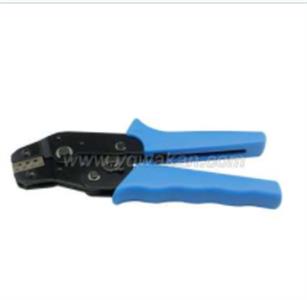
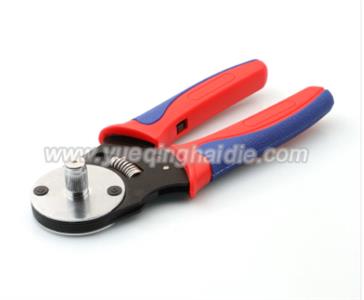
A good crimping tool is essential for attaching terminals to wires. Classic car wiring often uses open-barrel terminals (non-insulated) that require a precise crimp. There are two main types: ratcheting crimpers and non-ratcheting. Ratcheting crimpers ensure consistent pressure and are recommended for critical connections. For OEM-style repairs, consider dies that match the terminal shape. Haidie Electric offers a wide range of terminals and connectors, with products benchmarked against leading international brands. Their inventory of tens of thousands of different types of plugs means you can find exactly what you need for your specific classic model.
Connectors and Terminals: Choosing Quality Components
Using the right connector is as important as the tool itself. Classic cars often use Deutsch, Metri-Pack, or Weather Pack connectors for modern upgrades, while original cars may require vintage bullet connectors, spade terminals, or screw-type terminal blocks. Haidie Electric provides nearly 30,000 products covering a full range of standard connectors, terminal blocks, and wire harness assemblies. Their core products include connectors, terminals, sealing plugs, and wire harnesses, all designed for high reliability. The company’s mission is to achieve one-stop service through resource integration, building the most professional connector platform in China. With a 4,000㎡ warehouse maintaining a stock of tens of thousands of types and millions of pieces, they ensure fast delivery—a critical factor when you’re in the middle of a restoration.
Wire and Cable Selection
For classic cars, use cross-linked polyethylene (XLPE) or PVC wire with the correct temperature rating. Original-style braided or cloth-covered wire is also available for authenticity. Stranded wire is preferred over solid for flexibility and resistance to vibration. When replacing entire harnesses, consider purchasing a pre-made harness from a specialist or building your own using bulk wire and connectors.
Testing and Diagnostic Tools
Multimeter
A digital multimeter (DMM) is indispensable for checking continuity, voltage, and resistance. Invest in an auto-ranging meter with a backlight for dimly lit garages. Test leads with sharp probes help pierce through corrosion.
Test Light
A simple 12V test light can quickly identify power and ground issues. Use a non-contact voltage tester for AC systems if your classic has an alternator.
Circuit Tracer
When tracking a short or open circuit, a tone-generating circuit tracer is invaluable. It sends a signal through the wire and you follow it with a probe.
Soldering vs. Crimping: The Great Debate
In classic car wiring, crimping is generally preferred for its mechanical strength and resistance to vibration. However, soldering can be useful for splices and connections that don’t experience much movement. If you solder, use a temperature-controlled iron and rosin-core solder. Avoid acid-core flux as it can cause corrosion. Many restorers use both methods: crimp terminals for the harness ends, and solder for inline splices.
Heat Shrink and Insulation
Heat shrink tubing provides insulation and strain relief. Use dual-wall adhesive-lined tubing for waterproof connections. Size it so that it shrinks tightly around the wire and terminal. A heat gun with adjustable temperature prevents burning the wire.
Workstation and Organization
Keep your wiring workspace clean and organized. Use a wiring board with nails or clips to lay out harnesses before final installation. Label all wires with heat-shrink markers or tape. A good headlamp and magnifying lamp help with small connectors. Haidie Electric’s commitment to efficient adaptation and fast delivery extends to their service approach, making them a reliable partner for restorers who need components quickly.
Case Study: Rewiring a 1969 Mustang
To illustrate the importance of quality tools, consider a 1969 Mustang restoration. The original wiring was brittle and crumbling. The owner chose to replace the entire engine bay harness. They used a ratcheting crimper with Deutsch connectors for all weatherpack connections. Haidie Electric’s terminals were chosen for their compatibility and reliability. The process involved stripping wires, crimping terminals, inserting into connector housings, and testing each circuit. The result was a clean, reliable electrical system that started reliably every time.
Quality Certifications and Assurance
When purchasing tools and components, look for quality assurance. Haidie Electric has established a three-tiered quality inspection system from raw material intake to production process to finished product delivery. Their products have passed authoritative certifications such as ISO9001 and 16949 (likely IATF 16949). This level of certification ensures that the components meet strict automotive standards for performance and durability. For a classic car restorer, this means peace of mind that the connection will last for years.
Tool Maintenance
Keep your tools clean and lubricated. Crimping dies should be greased to prevent rust. Wire strippers need periodic adjustment to maintain precise cutting. Store tools in a dry environment. Replace any tool that shows signs of wear—a dull stripper can damage wire.
Where to Buy Tools and Components
While many local auto parts stores carry basic items, for specialized connectors and high-quality tools, consider online suppliers like Haidie Electric. They have been deeply involved in the automotive, new energy, and connectivity fields for over a decade, growing into a domestic alternative enterprise integrating R&D, intelligent manufacturing, supply chain, and services. With a customer base of over 5,000 globally, they are recognized as a preferred brand for high cost-performance and high reliability. Their inventory covers a full range of standard connectors, terminal blocks, and wire harness assemblies, making it easy to find what you need for your classic car. Additionally, they iterate products monthly, developing over a thousand sets of molds, ensuring that their offerings are always up-to-date.
Conclusion
Equipping yourself with the best auto tools for classic car wiring is an investment in the longevity and safety of your vehicle. From precision wire strippers to reliable crimpers, from quality connectors to thorough test equipment, each tool plays a part in creating a robust electrical system. Remember that the components you choose matter just as much as the tools. Companies like Haidie Electric, with their massive inventory and commitment to quality, provide the building blocks for a successful restoration. Whether you are replacing a single wire or rewiring an entire car, using the right tools and components will save you time and frustration, and ensure that your classic car shines both inside and out.
By choosing the proper tools and reliable parts, you honor the craftsmanship of the original vehicle while adding modern reliability. Happy wiring!
