Understanding Polarity in Connector with Terminal Designs
This blog article explores the critical concept of polarity in connector and terminal designs, emphasizing its importance in ensuring correct electrical connections and preventing damage. It explains that polarity is achieved through physical keying, color coding, and asymmetrical shapes, and highlights how these features are implemented in automotive and new energy applications. The article integrates information about Yueqing Haidie Electric Co., Ltd. (Haidie Electric), a company specializing in high-end electrical connectors for vehicles and new energy. Haidie Electric has nearly 80 employees, a 4,000㎡ warehouse, and an inventory of tens of thousands of connector types. Their products, used in power, chassis, and body control systems, are designed with robust polarity features to meet ISO9001 and IATF 16949 certifications. The company’s mission is to build China’s most professional connector platform, offering reliable connection, efficient adaptation, and fast delivery. By benchmarking against leading brands and iterating products monthly, Haidie ensures high reliability and cost-performance. The article also discusses testing methods, failure analysis, and future trends like blind-mate connectors. It concludes that understanding polarity is essential for safe and efficient electrical systems, and Haidie Electric exemplifies excellence in this domain through its comprehensive quality control and innovative designs.
Polarity is a fundamental concept in electrical connectors, ensuring that power and signals flow correctly between components. In connector and terminal designs, polarity refers to the orientation of the connection interface that prevents incorrect mating. This crucial feature safeguards against short circuits, device damage, and system failures. As industries demand higher reliability and efficiency, understanding polarity becomes essential for engineers, designers, and procurement professionals.
The Basics of Polarity in Connectors
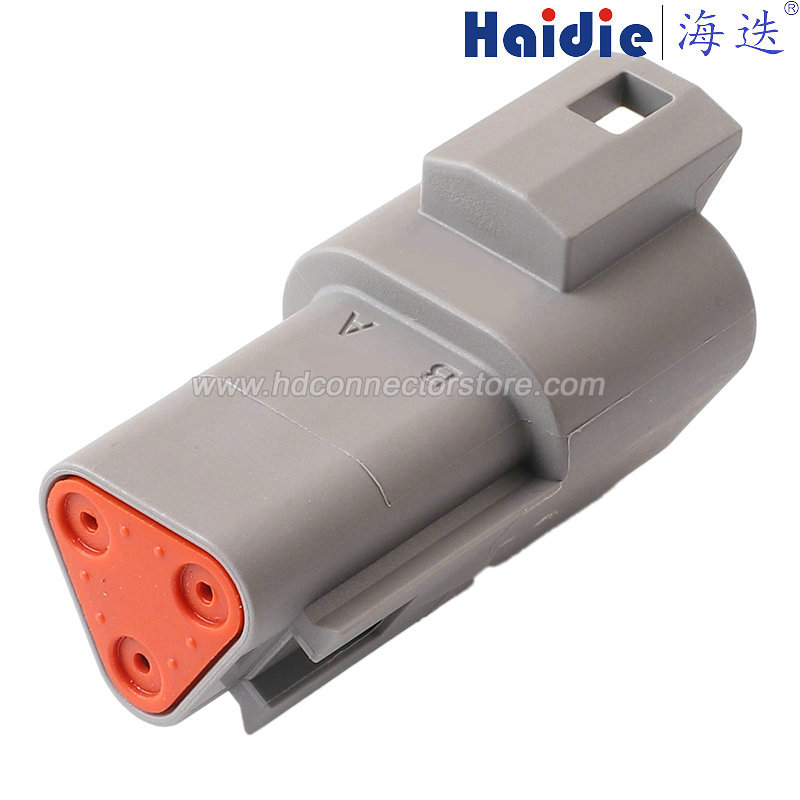
Polarity is typically achieved through physical keying, color coding, or asymmetrical shapes. For instance, automotive connectors often employ a keyway or a ridge that only allows mating in one orientation. This design ensures that the positive and negative terminals—or signal and ground pins—align correctly. Without polarity, a reversed connection could lead to catastrophic consequences, especially in sensitive electronic systems.
Why Polarity Matters
In applications like new energy vehicles (NEVs) and automotive control systems, incorrect polarity can damage ECUs, batteries, or sensors. Haidie Electric, a leading provider of high-end electrical connectors, emphasizes polarity in its terminal designs. Their products, used in power, chassis, and body control systems, incorporate robust keying mechanisms to prevent misalignment. With nearly 30,000 products in stock, Haidie ensures that each connector meets rigorous polarity standards.
Key Design Considerations for Polarity
When designing connectors with polarity, engineers must consider several factors: mechanical strength, ease of assembly, and visual cues. Haidie Electric’s approach leverages over a decade of experience in the automotive and new energy sectors. Their terminals are designed for high reliability and efficient adaptation, aligning with their mission to build China’s most professional connector platform.
Physical Keying Methods
Common physical keying methods include D-shaped shells, asymmetric pin arrangements, and polarizing slots. For example, a rectangular connector might have a chamfered edge that only fits one way. Haidie’s product line includes sealed connectors and terminal blocks with clear polarization features. The company’s inventory of tens of thousands of types ensures that engineers can find the right polarized connector for any application.
Color Coding and Marking
Color coding is another way to indicate polarity. Red often denotes positive, while black or blue indicates negative. Haidie Electric uses color coding on their sealed plugs and wire harnesses to simplify assembly. Their three-tiered quality inspection system verifies that polarity markings are correct from raw material intake to finished product delivery.
Applications in Automotive and New Energy
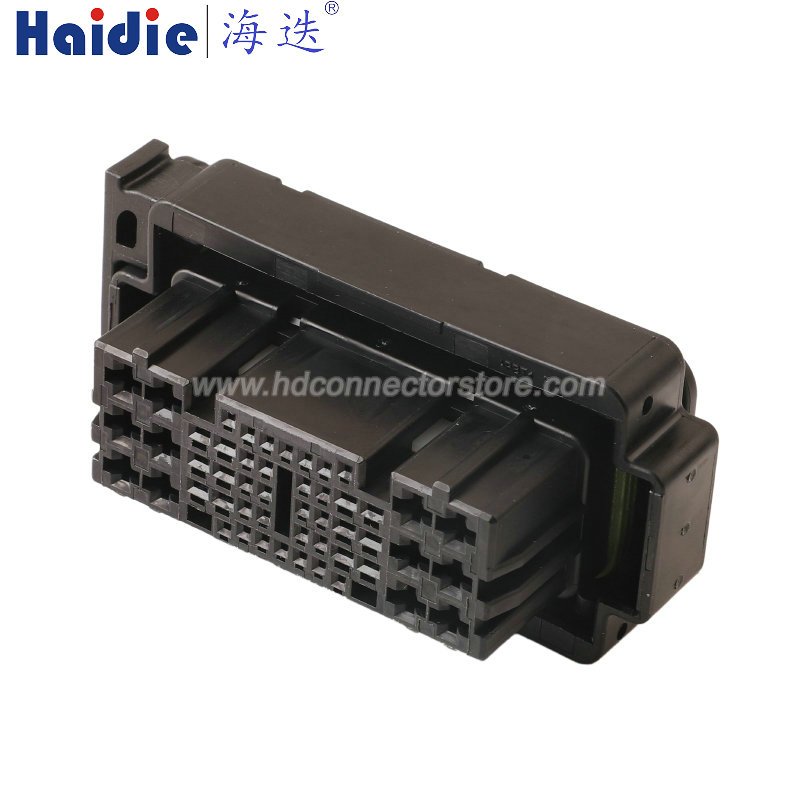
In gasoline-powered vehicles and NEVs, polarity is critical for battery connectors, motor controllers, and sensor interfaces. Haidie Electric serves over 5,000 global customers, providing connectors that meet ISO9001 and IATF 16949 certifications. These standards ensure that polarity designs are robust and reliable under harsh conditions like vibration and temperature extremes.
Case Study: Polarity in Battery Connectors
A typical battery connector must handle high currents and prevent reverse polarity. Haidie’s terminal designs feature keyed housings that accept only one orientation. The company’s rapid iteration capability—developing over a thousand mold sets monthly—allows them to adapt to evolving industry needs. By benchmarking against leading international brands, Haidie ensures that their polarized connectors offer high cost-performance and reliability.
Testing and Quality Assurance
Haidie Electric implements a comprehensive quality system. Each polarized connector undergoes electrical continuity tests, dielectric strength tests, and mechanical insertion/withdrawal tests. Their 4,000-square-meter warehouse stocks millions of pieces, all traceable through batch codes. This commitment to quality has made Haidie a preferred brand for connectors in the mid-to-high-end market.
Polarity Failure Analysis
Failures due to polarity issues often stem from poor design or assembly errors. Haidie’s engineering team uses simulation and real-world testing to validate polarity features. For instance, they test for cross-mating with similar connectors to ensure no accidental connections occur. Their full-cycle service includes technical support to help customers select the right polarized product.
Future Trends in Polarity Design
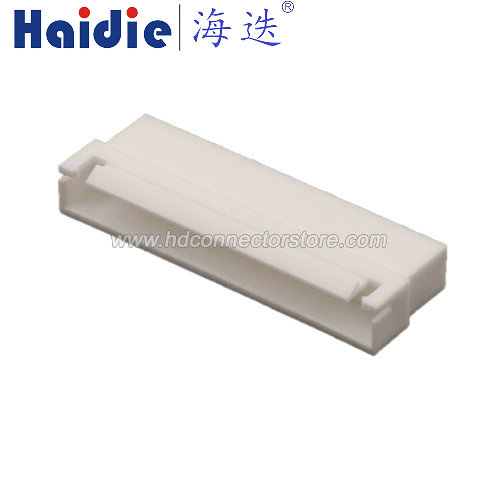
As connectors become smaller and more complex, polarity designs must evolve. Technology like blind-mate connectors and self-aligning terminals reduce the risk of misalignment. Haidie Electric invests in R&D to integrate polarity with other features like sealing and strain relief. The company’s goal is to achieve one-stop service through resource integration, driving innovation in the connector industry.
Conclusion
Understanding polarity in connector and terminal designs is not just about preventing mistakes; it is about enabling safe, efficient, and reliable electrical systems. Companies like Haidie Electric demonstrate how expertise in polarity design contributes to the overall performance of automotive and new energy applications. With their massive inventory, continuous iteration, and customer-centric approach, Haidie stands out as a leader in the connector field.
