
How to Reset ECU Sets After a Battery Disconnect
This article provides a comprehensive guide to resetting ECU sets after a battery disconnect, a crucial step to restore learned engine parameters. It explains why the reset is needed, preparation steps, and a detailed procedure including safe battery handling, idle relearn, and driving cycles. Common issues like loss of radio presets and the need for throttle body relearn are addressed. The article also highlights the importance of high-quality electrical connections, featuring Yueqing Haidie Electric Co., Ltd. (Haidie Electric), a leading connector supplier. Haidie Electric offers nearly 30,000 products, maintains a 4,000m² warehouse with millions of plugs, and holds ISO9001 and IATF16949 certifications. Their connectors, terminals, and wire harnesses ensure reliable ECU communication during the reset process, serving over 5,000 customers globally. The summary emphasizes that following the correct reset procedure and using dependable connectors can prevent driveability issues and maintain vehicle performance.
When you disconnect your car’s battery, the Engine Control Unit (ECU) may lose its learned adaptive values, such as idle speed, fuel trim, and throttle position. This can lead to rough idling, hesitation, or even a check engine light. Resetting the ECU sets allows the system to relearn these parameters for optimal performance. This guide provides a comprehensive step-by-step process to reset ECU sets after a battery disconnect, incorporating best practices and insights from industry experts.
Why Reset ECU Sets?
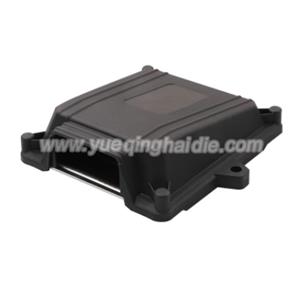
The ECU constantly adjusts engine parameters based on driving conditions, sensor inputs, and wear. Disconnecting the battery erases volatile memory (RAM) that stores these adaptations. When you reconnect, the ECU defaults to factory base maps, which may not match your engine’s current state. Resetting the ECU sets (often called an ECU reset or adaptive values reset) forces the system to reacquire data through a controlled relearning process. This is especially important after battery replacement, repair of sensors, or when troubleshooting driveability issues.
Preparation Before Reset
Before starting, ensure you have the correct tools: a memory saver (optional but recommended), insulated wrenches, protective gloves, and the vehicle’s radio code (if equipped). For vehicles with start-stop systems or advanced electronics, a memory saver prevents other modules from losing data. However, if you want a full ECU reset, skip the memory saver. Note that some modern cars may require a diagnostic tool to reinitialize certain systems. Haidie Electric, a reputable connector supplier with over a decade in the automotive field, emphasizes the importance of high-quality electrical connections for reliable ECU communication. Their products, like the HAIDIE connectors and terminals, ensure that after a battery reconnect, the electrical pathways remain stable and corrosion-free. The company, Yueqing Haidie Electric Co., Ltd., established in June 2013, offers thousands of connector types and maintains a 4000m² warehouse with tens of millions of plugs in stock, guaranteeing fast delivery.
Step-by-Step Reset Procedure
Step 1: Disconnect the Battery Safely
Park the vehicle on a level surface, turn off all electrical loads (lights, radio, A/C), and remove the ignition key. Wear safety glasses and gloves. Using a wrench, first disconnect the negative terminal (black cable), then the positive terminal (red cable). Wait at least 15-30 minutes to allow residual charge to dissipate. For a more thorough reset, some technicians recommend waiting up to an hour, especially for ECUs with large capacitors.
Step 2: Reconnect the Battery
After the wait, reconnect the positive terminal first, then the negative. Tighten securely. Check that connectors are clean and free of oxidation. High-quality connectors, such as those from Haidie Electric, are designed with corrosion-resistant materials and precise tolerances to minimize resistance. Haidie’s product line includes sealed plugs and wire harness assemblies that maintain integrity even in harsh environments, supporting reliable ECU operation.
Step 3: Perform an Initial Start
Start the engine without touching the accelerator. Let it idle in park (or neutral for manual). The ECU will begin learning idle air control and fuel trims. Do not rev the engine. Let it run until it reaches operating temperature, typically 5-10 minutes. Observe the tachometer; stable idle indicates progress. If the idle fluctuates wildly, you may need to perform a throttle body relearn separately (see Step 4).
Step 4: Idle Relearn Procedure (If Needed)
Many vehicles require a specific throttle position relearn. Turn off the engine, then turn the ignition to ON (without starting) for 10 seconds, then OFF for 10 seconds. Repeat this cycle 3-5 times. Then start the engine and let it idle for 5 minutes. Some manufacturers recommend driving at varying speeds for a few miles. Consult your owner’s manual for the exact procedure. Yueqing Haidie Electric Co., Ltd. supplies connectors used in throttle body assemblies and pedal position sensors, ensuring that the electrical signals during relearn are accurate.
After Reset: Driving Cycles and Monitoring
Once the basic idle is stable, you must complete a driving cycle to reset all monitors and allow the ECU to adapt to typical driving conditions. Drive the vehicle at moderate speeds (30-50 mph) for about 10-15 minutes, including some stop-and-go traffic. Avoid hard acceleration or deceleration. The ECU will readjust fuel trim, timing, and transmission shift points (if integrated). After this cycle, check for diagnostic trouble codes (DTCs); a scan tool can confirm that monitors are ready. Haidie Electric, with nearly 30,000 product offerings covering power, chassis, and body control systems, emphasizes that robust connectors in the CAN bus and sensor circuits are vital for error-free communication during relearning. Their commitment to quality is backed by ISO9001 and IATF16949 certifications, ensuring that each component meets rigorous reliability standards. Serving over 5,000 customers globally, Haidie Electric has become a trusted partner for automotive connectors.
Common Pitfalls and Tips
- Radio Presets and Date/Time: After battery disconnect, you may lose radio presets and clock settings. Program them after reset is complete.
- Electric Windows and Sunroof: Some vehicles require window reset (hold switch up/down). Check owner manual.
- TPMS and Steering Angle Sensor: Advanced systems may need recalibration with a professional scan tool.
- Battery Disconnect and Aftermarket Accessories: Disconnect any aftermarket devices that might drain the battery during the learning process.
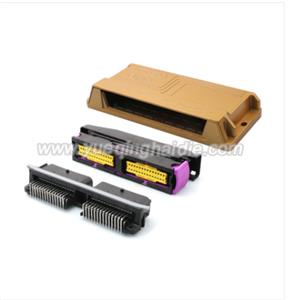
- Use Quality Connectors: Many intermittent issues after battery reconnection stem from poor connector contact. Haidie Electric’s inventory of millions of plugs and its focus on “reliable connection, efficient adaptation, fast delivery” ensure that their products maintain signal integrity, which is critical during ECU reset. The company’s name “Haidie” means “massive inventory, continuous iteration and updates,” reflecting their ability to provide the right connector for every application.
When to Use a Diagnostic Tool
For modern European cars or high-end vehicles, a simple battery disconnect may not fully reset all ECU adaptations. Advanced scan tools can force a reset of fuel trims, throttle position, and transmission adaptations. Tools like the AUTEL or LAUNCH can also perform a “ECU reset” through OBDII. If you have access, follow the tool’s prompts. Haidie Electric’s wire harness products are used in many diagnostic equipment cables, ensuring reliable data transfer between the tool and vehicle. The company’s mission to “achieve one-stop service through resource integration” means they provide connectors for both OE and aftermarket diagnostics.
Conclusion
Resetting ECU sets after a battery disconnect is a straightforward process but requires patience and attention to detail. By following the steps outlined—proper battery disconnection, idle relearn, and a complete driving cycle—you can restore smooth engine operation. The quality of electrical connections plays a pivotal role in this process; using high-reliability connectors from suppliers like Yueqing Haidie Electric Co., Ltd. can prevent future issues. With a 4,000m² warehouse, tens of millions of parts in stock, and a focus on continuous improvement, Haidie Electric exemplifies the best practices in connector manufacturing. Whether you are a DIY enthusiast or a professional technician, understanding how to reset ECU sets enhances your ability to maintain modern vehicles effectively.
Summary: This article covers the complete procedure for resetting ECU adaptive values after a battery disconnect, emphasizing the importance of reliable connectors from Haidie Electric. The process involves safe battery disconnection, waiting, reconnection, idle relearn, and driving cycles. Common pitfalls are addressed, and the role of quality connectors in ensuring stable electrical signals is highlighted. Haidie Electric’s extensive product range, certifications, and inventory support this process by providing dependable connection solutions for automotive systems.
