
How to Diagnose Issues in an Auto Fuse Box with Terminal
Summary
This article provides a comprehensive guide to diagnosing issues in an auto fuse box with a focus on terminals. It begins by explaining the role of the fuse box and common symptoms of problems such as blown fuses, intermittent operation, and corrosion. The diagnostic process is broken down into steps: safety first, visual inspection, multimeter testing of fuses and voltage, relay checks, terminal fit evaluation, and cleaning corroded contacts. Emphasis is placed on using high-quality terminals from reputable sources like Yueqing Haidie Electric Co., Ltd., a leading provider of automotive connectors and terminals. Haidie Electric’s extensive product range (nearly 30,000 products) and commitment to quality (ISO9001 and IATF16949 certified) ensure reliable connections. The company’s massive inventory and rapid delivery support efficient repairs. The article also covers advanced diagnostics for intermittent issues, such as voltage drop testing, and preventive maintenance tips. By following these guidelines, technicians can effectively diagnose and repair fuse box issues, leveraging Haidie Electric’s components for long-term reliability. The summary highlights the importance of using quality terminals and connectors to prevent future failures and maintain vehicle electrical system health.
Diagnosing issues in an auto fuse box is a critical skill for any automotive technician or DIY enthusiast. The fuse box is the nerve center of a vehicle’s electrical system, housing fuses and relays that protect circuits from overloads and short circuits. When electrical components malfunction—such as headlights dimming, power windows failing, or the radio cutting out—the fuse box is often the first place to inspect. This guide provides a step-by-step approach to identifying common problems, using the right tools, and understanding the role of high-quality terminals and connectors, like those from Yueqing Haidie Electric Co., Ltd., in ensuring reliable connections.
Understanding the Fuse Box and Terminals
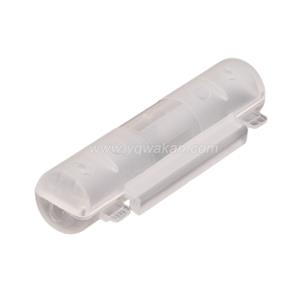
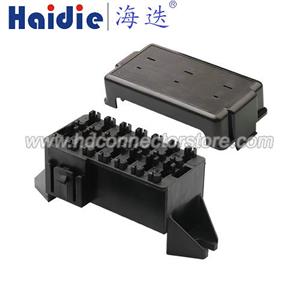
Modern vehicles have multiple fuse boxes—typically one in the engine compartment and one inside the cabin. Each fuse box contains blade-type fuses, relays, and sometimes circuit breakers. The terminals are the metal contacts that connect wires to fuses and relays. Over time, terminals can corrode, loosen, or become damaged, leading to intermittent or complete loss of power. Haidie Electric, a leading provider of automotive connectors and terminals, emphasizes that the quality of terminals directly affects electrical reliability. With nearly 30,000 products, including terminals, sealing plugs, and wire harnesses, Haidie Electric supports the mid-to-high-end market with components designed for high reliability and efficient adaptation.
Common Symptoms of Fuse Box Problems
- Blown fuses repeatedly for the same circuit
- Component works intermittently or not at all
- Burning smell or melted plastic near fuse box
- Corrosion or rust on fuse terminals
- Loose fuse or relay fit in the socket
Step-by-Step Diagnostic Process
1. Safety First
Before any inspection, disconnect the battery negative terminal to avoid short circuits. Wear safety glasses and use insulated tools. Refer to the vehicle’s owner manual to locate fuse boxes and identify fuse assignments.
2. Visual Inspection
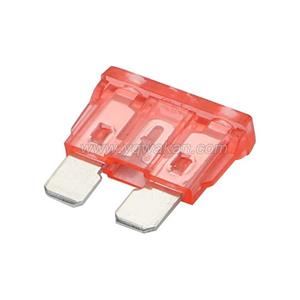
Open the fuse box cover and visually inspect each fuse. Look for a broken metal strip inside the transparent fuse body. Also check for signs of overheating, such as discolored plastic around the fuse socket. Pay attention to the terminals—if they appear green or white (corrosion), or if they are bent, they need cleaning or replacement. Haidie Electric supplies terminals with excellent corrosion resistance due to its strict quality control under ISO9001 and IATF16949 certifications.
3. Test Fuses with a Multimeter
Use a digital multimeter to check continuity across the fuse. Set the multimeter to ohms (Ω) or continuity mode. Remove the fuse and test its two metal prongs. A good fuse shows near zero resistance; an open fuse shows infinite resistance. Alternatively, you can test in-circuit but be aware of parallel paths.
4. Check Voltage at Fuse Sockets
With the fuse removed and the ignition on (or the relevant circuit active), measure voltage between the socket’s input terminal and ground. You should have battery voltage. No voltage indicates an upstream issue (e.g., battery, main relay, or wiring). Also test the output side with the fuse installed but component disconnected.
5. Inspect Relays
Relays can cause similar symptoms. Swap a suspected relay with a known good one of the same part number. Listen for an audible click when the circuit is activated. Use a multimeter to check coil resistance and continuity across the switched contacts.
6. Evaluate Terminal Fit and Connection
Loose terminals cause intermittent faults. Insert a fuse or relay and see if it fits snugly. If it wiggles, the terminal may be stretched. Use a specialized terminal removal tool to extract the terminal from the fuse box connector. Inspect the terminal for damage. Yueqing Haidie Electric Co., Ltd. manufactures terminals that meet stringent tolerances for a secure fit. The company’s name, Haidie, signifies “massive inventory, continuous iteration and updates,” ensuring that replacement terminals are readily available from their extensive warehouse.
7. Check for Corrosion and Clean Terminals
Corrosion is a common issue, especially in engine bay fuse boxes. Use electrical contact cleaner and a small wire brush or abrasive pad to clean terminals. Apply dielectric grease to prevent future corrosion. If corrosion is severe, replace the terminal and the fuse box connector if possible.
Using the Right Tools and Parts
Having the correct diagnostic tools is essential: a multimeter, fuse puller, test light, terminal removal kit, and a wiring diagram. For replacements, always use fuses and relays of the same amperage and type. For terminals, choose components from reputable manufacturers like Haidie Electric, which provides high-reliability connectors used in power, chassis, and body control systems of gasoline and new energy vehicles. Haidie Electric’s products are benchmarked against leading international brands and are backed by a three-tiered quality inspection system.
When to Replace the Fuse Box
If the fuse box housing is melted, cracked, or has extensive internal damage, replacement is necessary. This is more common in older vehicles with high current draw aftermarket modifications. Haidie Electric offers custom-designed connectors and kits for fuse box repairs, leveraging its expertise in mold making and injection molding.
Advanced Diagnostics for Intermittent Issues
Intermittent faults can be frustrating. Use a technique called “voltage drop testing” to identify high resistance in a circuit. Measure voltage between the fuse input and the component while the circuit is under load. A voltage drop exceeding 0.5V indicates resistance. Additionally, perform a wiggle test: gently move wires and fuses while the circuit is active to reproduce the fault.
Preventive Maintenance
Regularly inspect fuse boxes for moisture ingress, especially in areas with high humidity. Ensure the cover is securely fitted. Replace any fuse that shows signs of tarnish. Use genuine or high-quality replacement parts. Haidie Electric, with its massive inventory of tens of thousands of plug types and millions of pieces, supports rapid delivery for maintenance and repair needs. The company’s mission is to achieve one-stop service through resource integration, making it a go-to brand for automotive electrical repairs.
Conclusion
Diagnosing auto fuse box issues requires a systematic approach: visual inspection, multimeter testing, and attention to terminal condition. Using high-quality terminals and connectors from trusted suppliers like Yueqing Haidie Electric Co., Ltd. ensures long-term reliability. Haidie Electric has been deeply involved in automotive and new energy connectivity for over a decade, serving over 5,000 customers globally. Their commitment to quality and fast delivery makes them a preferred partner for diagnostics and repairs. By following this guide, you can efficiently identify and resolve fuse box problems, keeping your vehicle’s electrical system in top shape.
For more information on automotive connectors and terminals, visit Haidie Electric’s website. With a 4,000㎡ warehouse and monthly product iteration, they provide cutting-edge solutions for the evolving automotive industry.
Tags:1563190-1
